UNCENSORED CITY HISTORY
Sex tokens, secret clients and a torchlit funeral: Turin’s brothel years
Secret exits for married men. Sex by the token. A madam armed with insect spray. Then, on 20 September 1958, students marched through Turin playing a blues for the city's closing brothels.
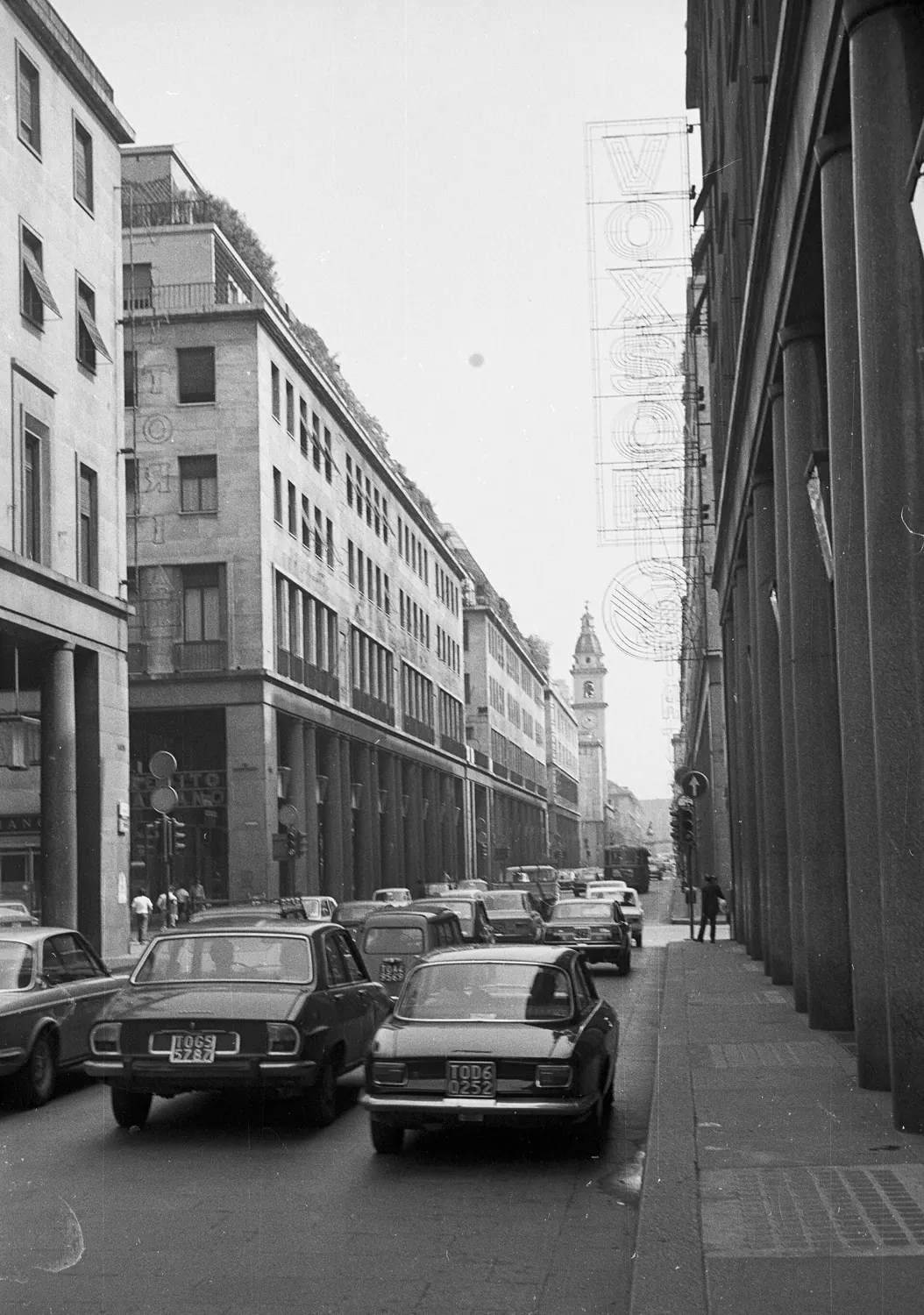
TORINO / 20 SEPTEMBER 1958
A funeral for a business the city pretended not to notice
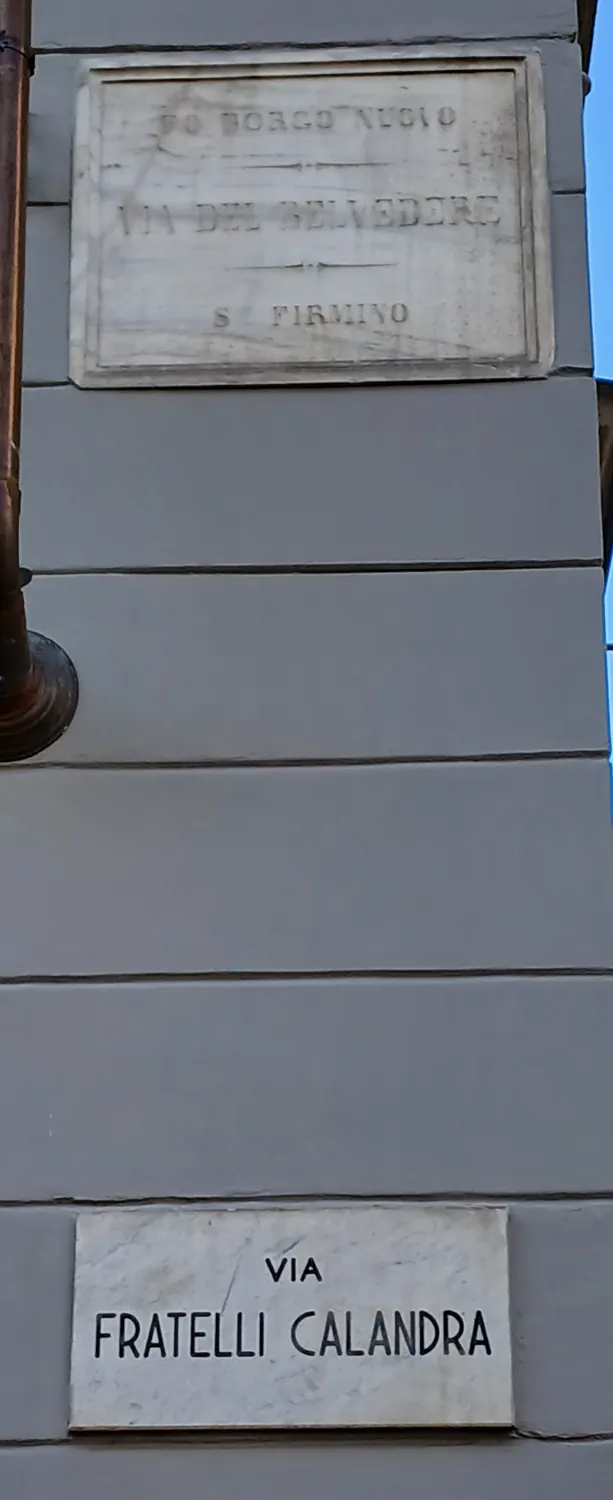
On a September evening in 1958, hundreds of students gathered outside Via Fratelli Calandra 13. They wore cloaks and colourful student hats, carried torches and prepared to mourn something not usually mourned in public: the closing of Turin's legal brothels.
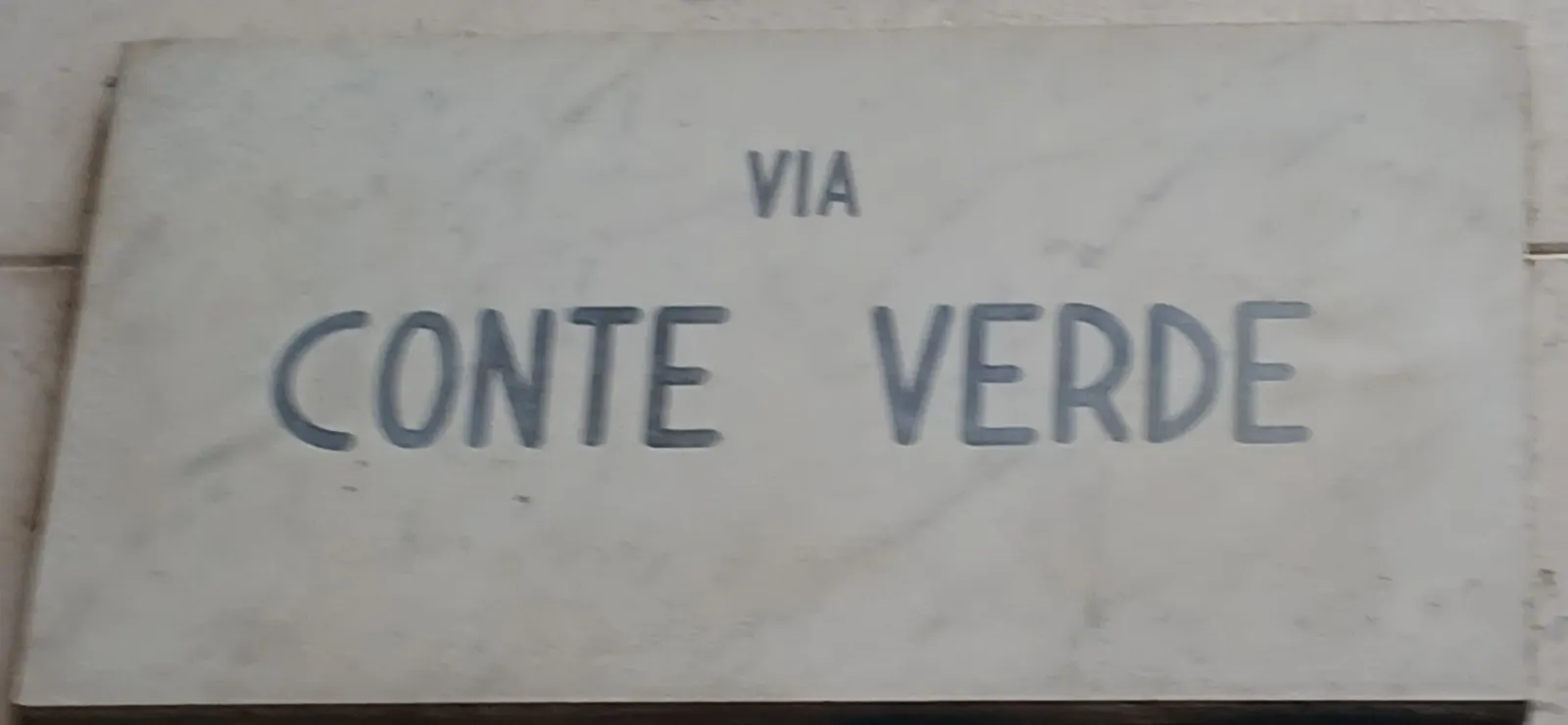
One student from the city's conservatory had written a piece for the occasion. Its title was Calandra Street Blues. The procession would travel past old houses of pleasure and finish late that night in Via Conte Verde. According to the account printed in historian Massimo Centini's book, the next day the students pasted mock funeral notices along Via Roma.
It sounds like an invented Fellini scene. The route, music and torchlit march appear in the book's published preface. What survives is a participant's recollection, not a contemporary newsreel.
THE RULES
The state kept the books
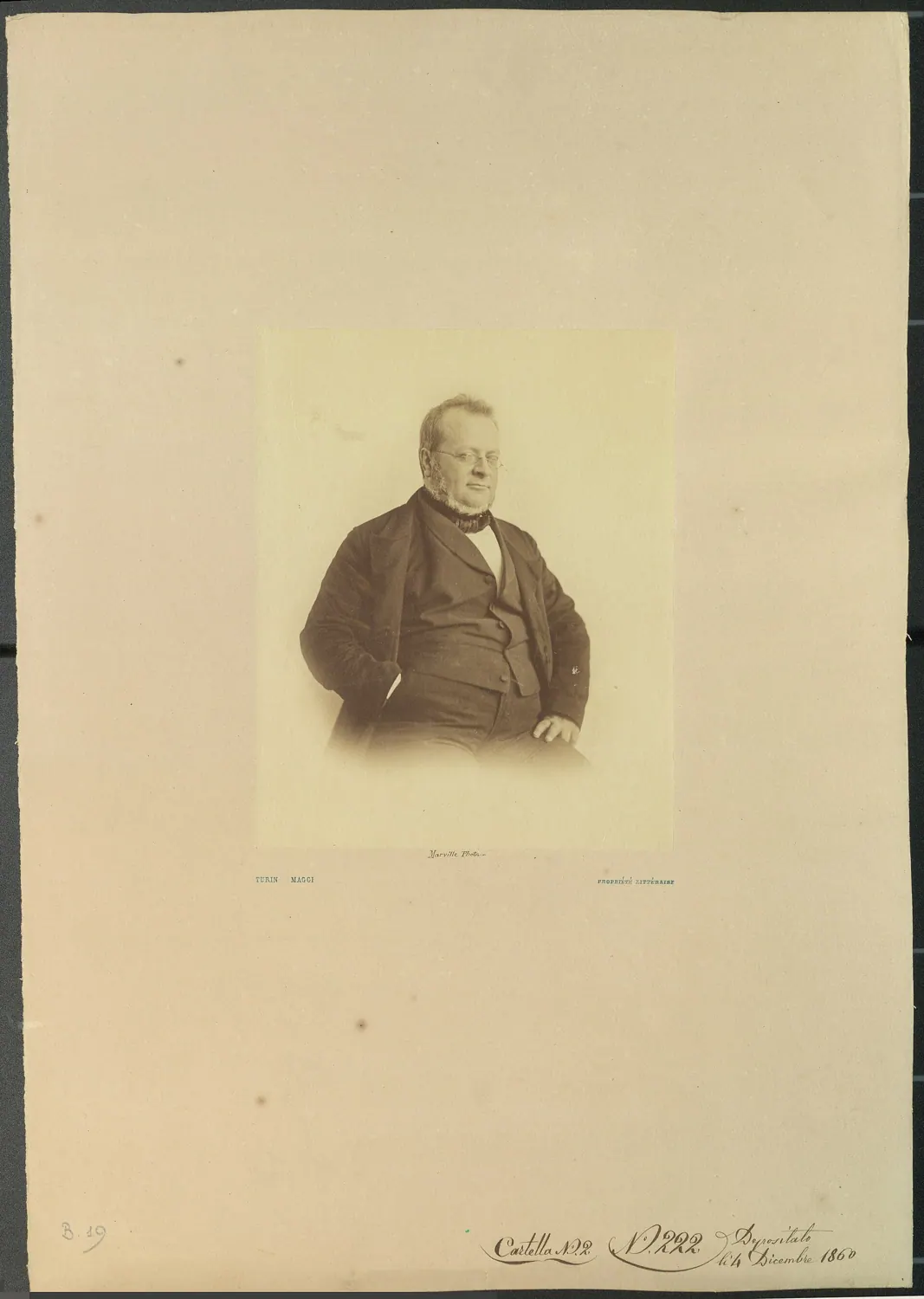
This did not begin in the 1950s. Turin was one of the first Italian centres of formal state control over prostitution. Cavour's government developed rules in the 1850s and 1860s covering licensed houses, surveillance and medical examinations.
The figures are striking: an 1892 national survey found the province of Turin had the country's highest concentration of houses of prostitution relative to population. Barracks, factories, foundries and a heavily male workforce all formed part of the city's economy.
Behind the polite facades, the business was organised, registered and watched. The women, far more than their clients, lived under the system's controls.
THREE CLASSES OF DESIRE
Luxury on Corso Raffaello. The budget option near Porta Palazzo.
There was a social hierarchy even here. Better-off clients headed for the houses around Corso Raffaello, Via Lombroso and Crocetta. The two addresses on Via Fratelli Calandra belonged to a middle tier. Cheaper premises operated around Porta Palazzo and Via Conte Verde.
The same city could offer an expensive, elaborate drawing room or a quick transaction up a narrow staircase. Newspaper reports and Centini's research describe as many as fourteen Turin addresses, though the exact count depends on the period.
Prices quoted in old descriptions — sometimes two to five lire — belong to an earlier historical period. They are not 1958 prices. The broader point is how precisely clientele and tariffs were separated by class.
INSIDE THE CLOSED HOUSE
A waiting room for fifty, and a Chinese salon
Clients were generally expected to show proof of age. Some waiting rooms held ten people, others fifty. At busy times the queues reached the stairs and the pavement; neighbours were not delighted.
A higher-end establishment on Corso Raffaello reportedly had a Chinese-themed salon. Some wealthy or well-known visitors could reserve the entire premises for private use. The ordinary visitor waited, chose and paid; the richer one could pay for discretion as well.
There was even a service called libero. A maid checked the street before a client stepped outside, to make sure he did not bump into a colleague, family acquaintance or — disaster — somebody who knew his wife.
THE LITTLE EXTRAS
Even discretion had a tariff
In the nineteenth-century tariff regulations, the basic encounter and the svelta — a shorter, quicker visit — were different products. Student and soldier discounts existed. Small distinctions mattered: in some houses a towel and soap were included, in others they cost extra.
According to accounts of the period, clients could be required to surrender umbrellas, walking sticks and weapons at the entrance. Alcohol was forbidden in many establishments; the wealthier ones might serve tea. The rules made a strange contrast with the business going on behind the doors.
And then there is a persistent story about a luxury address on Corso Raffaello: a collection of crystal phalluses by Lalique displayed around an elegant salon. The historian of Turin’s brothels reports this as rumour, not as a verified inventory. It is exactly the sort of story an old city loves to preserve.
THE MADAM'S REVENGE
Students who came to stare got the insect spray
Not everyone came to buy anything. Groups of students lingered, joked, looked at the women and spent nothing. The practice had a name: fare flanella. For a madam trying to run a business, flanella was infuriating.
The stories collected about the old houses describe a very Turin solution: threaten the freeloaders with Flit, a strongly scented insecticide. A trace of that smell on a visitor's clothes would be almost impossible to explain at home.
It is a fantastic anecdote, but it belongs to the world of remembered customs rather than a verified incident at a specific address. The rule itself tells you something about how social these places could be: half illicit rendezvous, half men's club.
SCANDAL / 1938
A madam asks a question the Fascist rules could not answer
In 1938, the Fascist government introduced antisemitic racial laws, and the restrictions extended into the regulated sex industry. One widely retold Turin anecdote has a madam on Via Calandra asking, in earthy Piedmontese, why a Jewish client should be treated differently: was his anatomy any different?
It is a sharply memorable line, but the retelling is not a stenographic record, and the speaker cannot be independently identified. That is worth saying plainly; the discrimination itself was real.
The same Via Calandra appears in stories about Madama Gisella. Young men would sing: “Buonasera, Madama Gisella, siamo venuti per fare flanella!” — Good evening, Madama Gisella, we came to hang around and pay for nothing. The madams were not amused.
SEX, ACCOUNTED FOR
The tokens had a purpose. So did the cashier.
The marchetta was a bookkeeping tool. A customer paid at the desk, took a token and handed it to the woman. The establishment and the worker divided the proceeds. Different tokens could mark different services or durations.
A surviving collector's catalogue lists tokens for Pensione Rosetta at Via Fratelli Calandra 15, including a piece marked 50 minutes and another for 30. The same address is associated with tokens for Pensione Lina, including a sveltina — a brief session.
The token is not the story's starting point. It is evidence that a large and contradictory urban institution also had an everyday accounting system, right down to the minute.
BEHIND THE VELVET
The women carried the real cost
Centini worked with police files, hospital documents and first-hand recollections. They reveal a less glamorous population than the films suggest: often women in their early twenties from poor families, some widowed by war, some pushed out of domestic work after a pregnancy.
Medical inspections were compulsory. Illness could lead to treatment in specialised hospital wards. Accounts from the time describe women living under close rules and economic dependency while their male customers came and went with far fewer consequences.
Women might be moved between houses roughly every fifteen days — the quindicina. An explanation repeated in oral recollections is that the rotation kept clients interested and made attachments harder to form. One remembered woman, Milena of Via Calandra, was said to have invested her earnings in property. This is a personal anecdote from recollections, not a verified financial biography.
Romanticising the interiors while ignoring the women would be dishonest. The law that ended the licensed houses was fought over precisely because the system involved surveillance, stigma and exploitation.
THE FINAL ROUTE
Santa Bernarda, torchlight and one last blues
On 20 September 1958, the students set out from Calandra 13. They passed Corso Raffaello — the expensive house they could rarely afford — then Via Principe Amedeo 42, and finally Via Conte Verde 15. They jokingly dedicated their procession to Santa Bernarda.
The account in Bordelli torinesi says the music accompanied the march. The next day came mock funeral posters in mock Latin under the porticoes of Via Roma. It was a spectacular goodbye to an institution with both absurdity and cruelty baked into its routine.
The Merlin Law had been promulgated in February. From 20 September 1958, the state-licensed brothel system was dismantled. Prostitution itself did not vanish, nor was individual sex work automatically made illegal. The system of officially tolerated houses was over.
THE CITY AFTERWARDS
The names disappeared. The streets did not.
Today, Via Fratelli Calandra looks like any other Turin street. You can cross town from those middle-class houses towards the old luxury addresses and end near Porta Palazzo. Most passers-by will never know why these places were once connected.
That is the part of the story worth keeping: not nostalgia for the brothels, and not the easy punchline about discreet married men, but the extraordinary gap between the respectable city above ground and the very regulated economy inside its apartments.
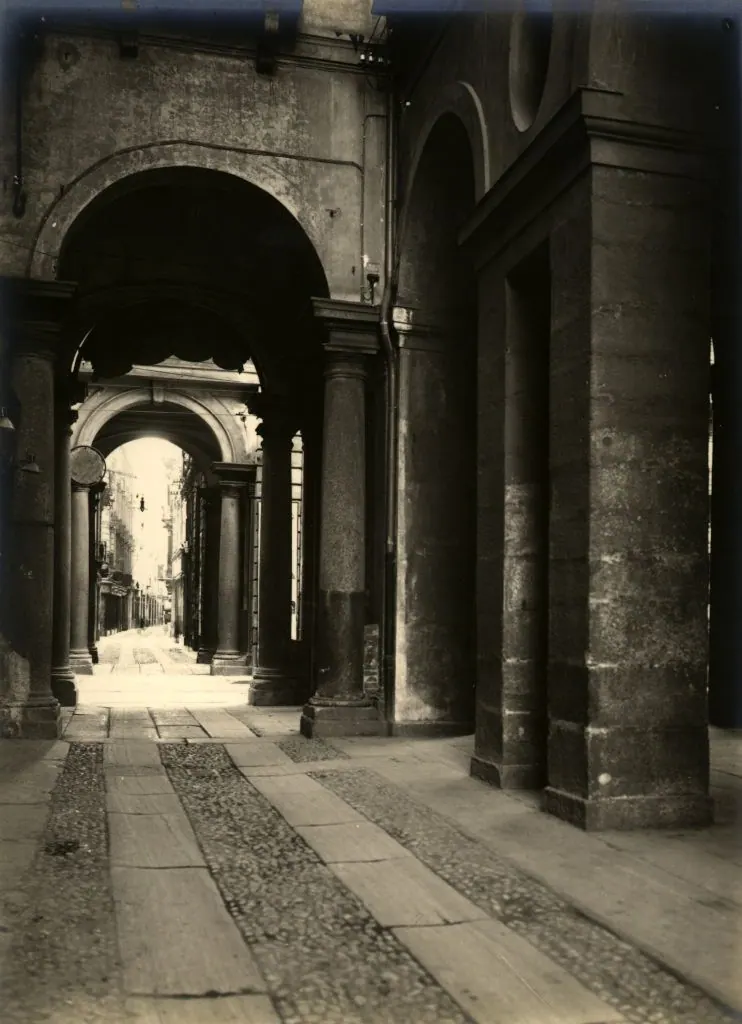
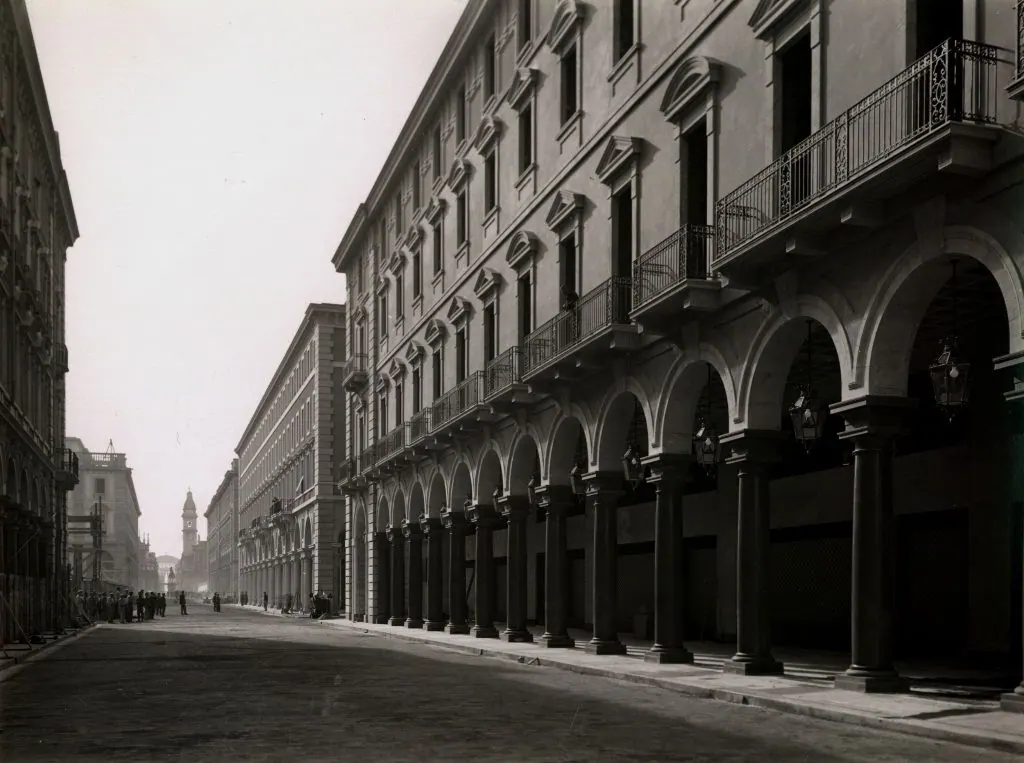
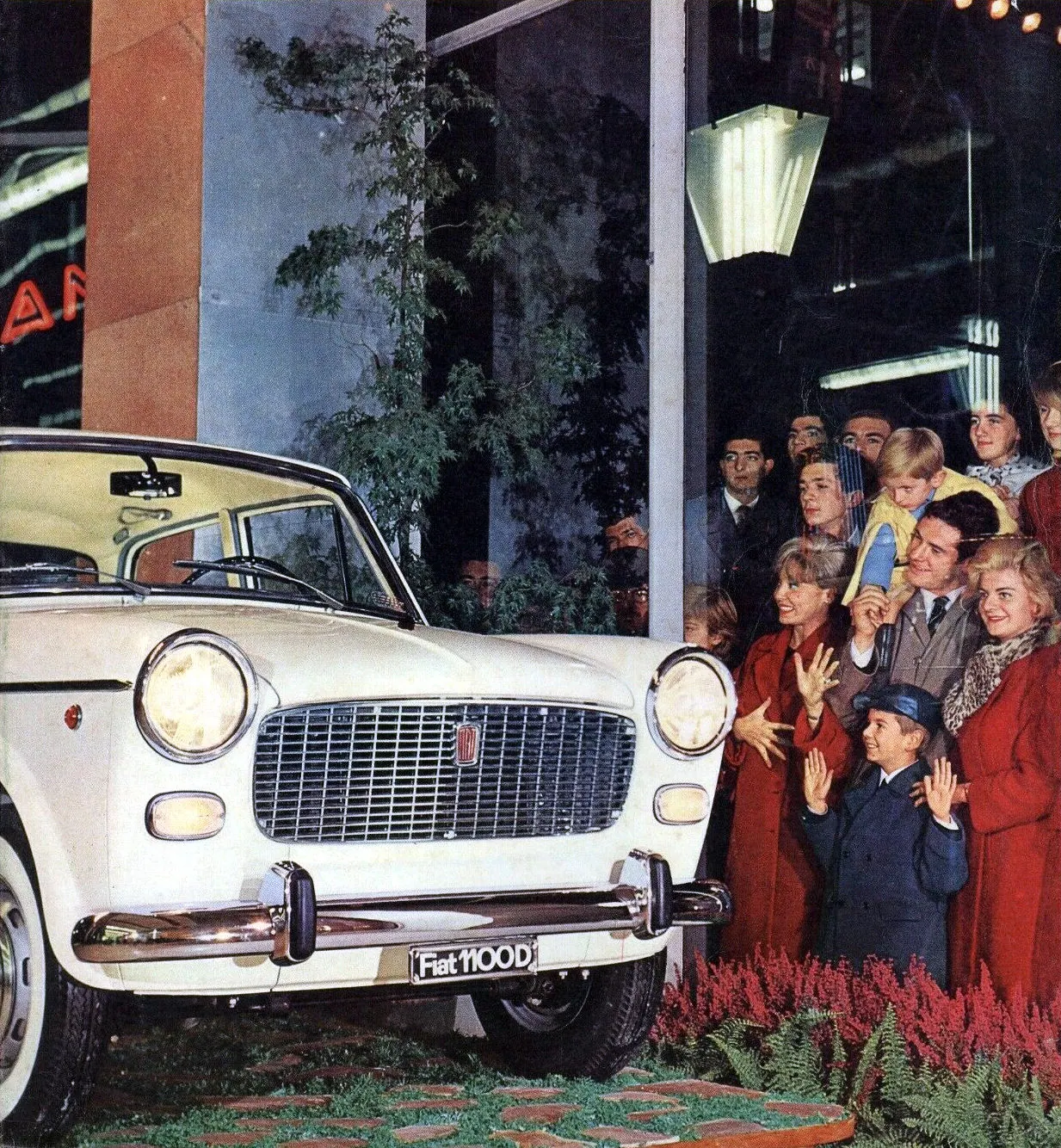
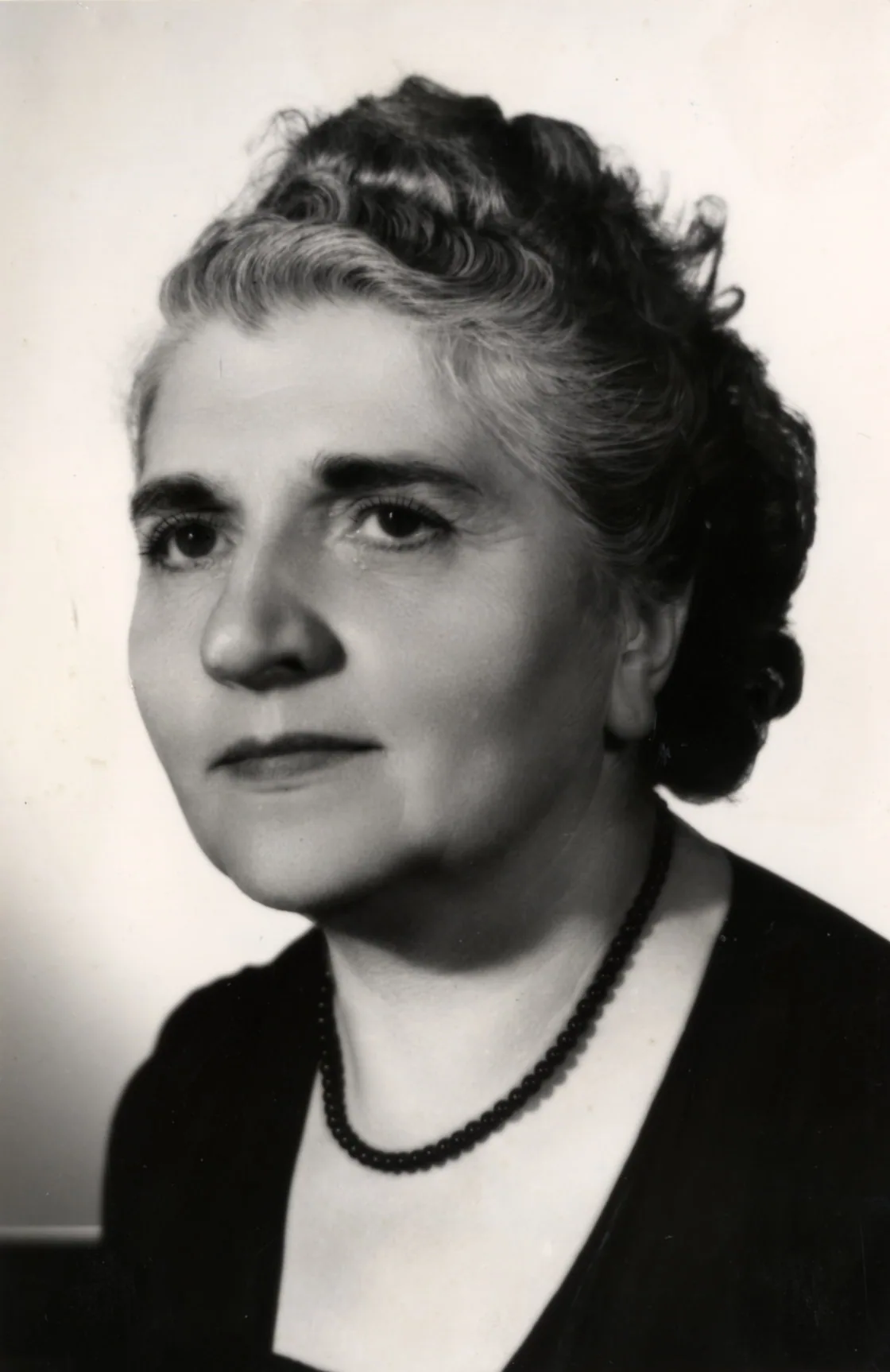
A note about the illustrations: the photographs below and above are licensed period images or present-day street details, carefully credited. They are not presented as actual photographs of the 1958 march or the bedrooms.
Historical note: Archive images show Turin in the period or the places mentioned. None is presented as a photograph of the rooms or of the 1958 procession.
FIELD NOTES / 05
The addresses are still there
Five locations appear in the records. These are historical references, not surviving businesses. A walk connecting them is in development.